A Designer's Diary · How the Game Was Tested
THE PROVING
Dispatches from the Playtest Table
STILLPOINT
scroll to read ▾
Every rule in this game has been thrown at a wall to see what cracks. Some cracked. This is the story of how — the parties that froze, the wave that fell, the clockwork knight that nearly ended a campaign on one lucky die — and what we changed because of it. — from the back of the Tickwarden's case
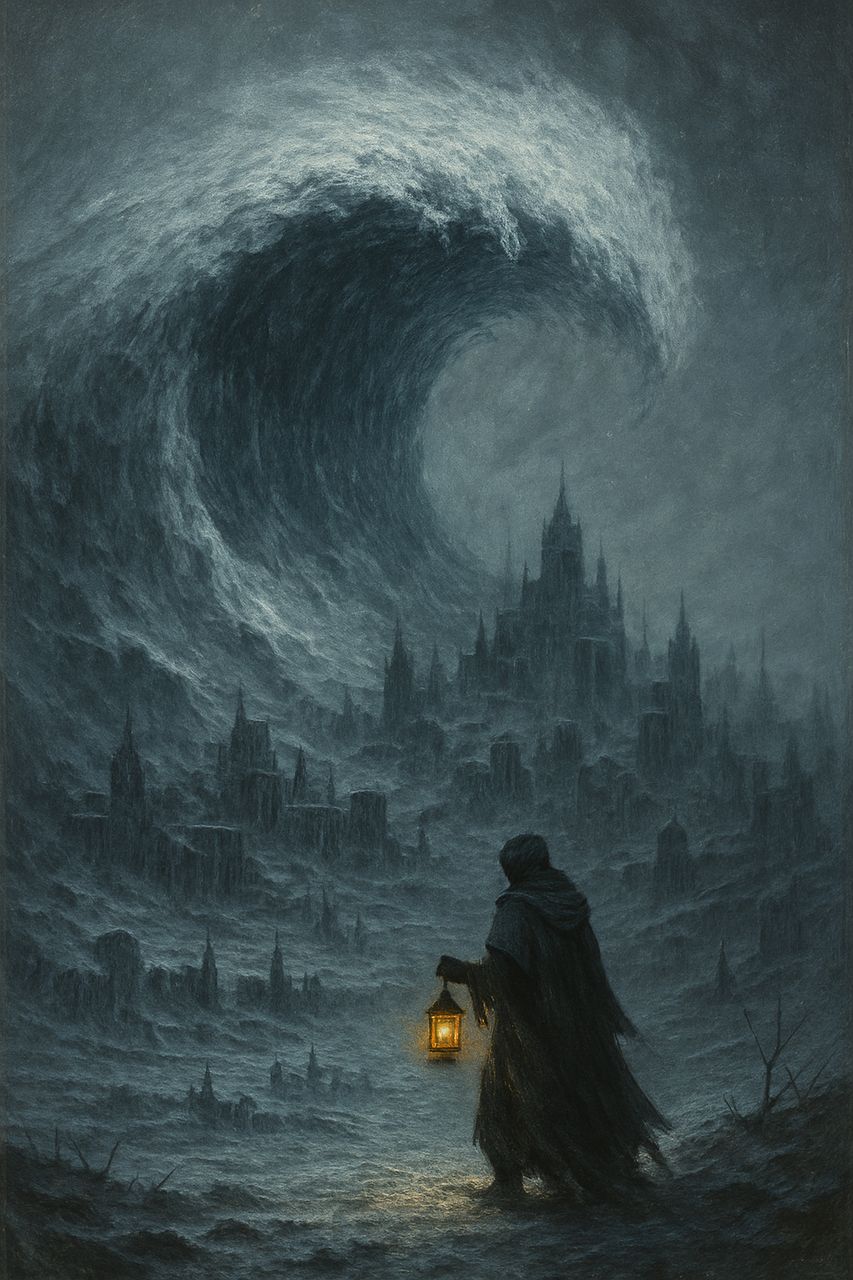
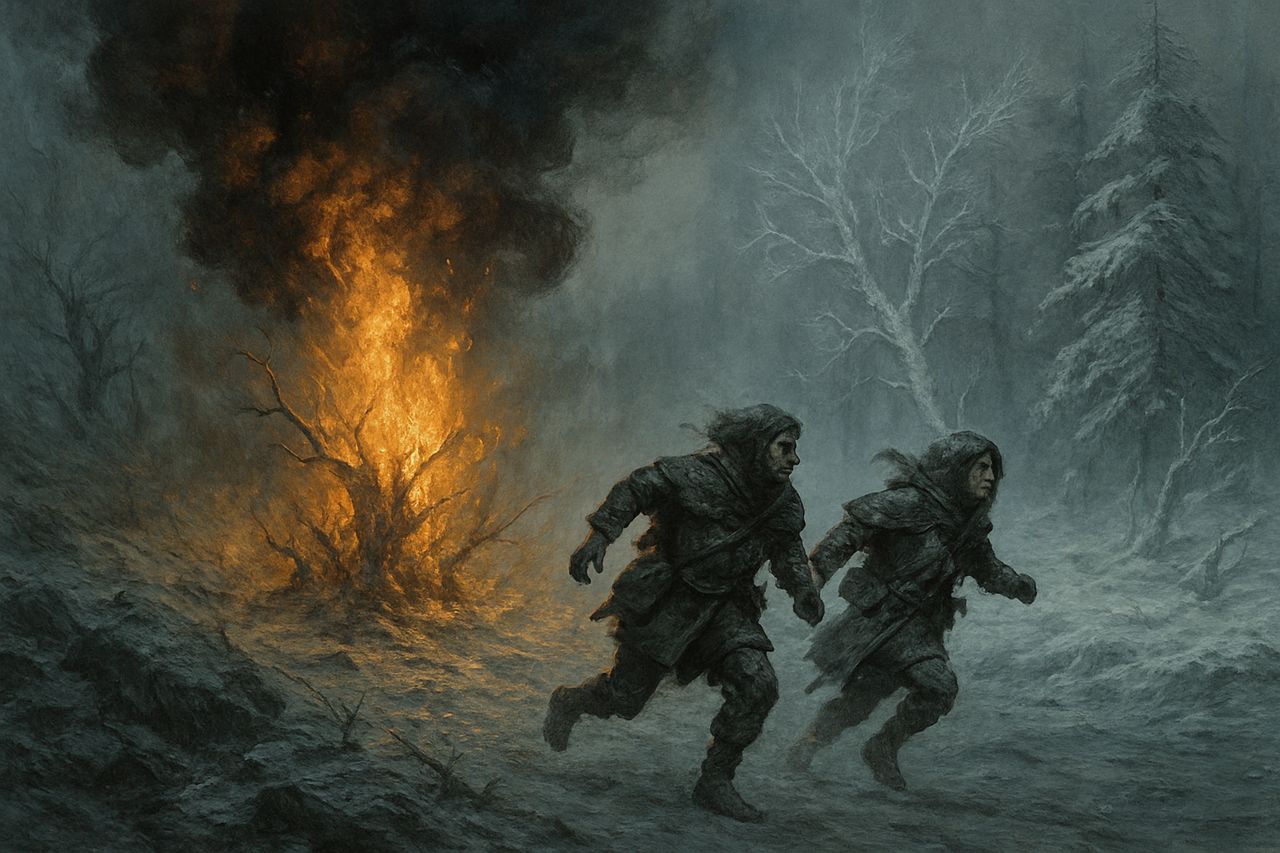
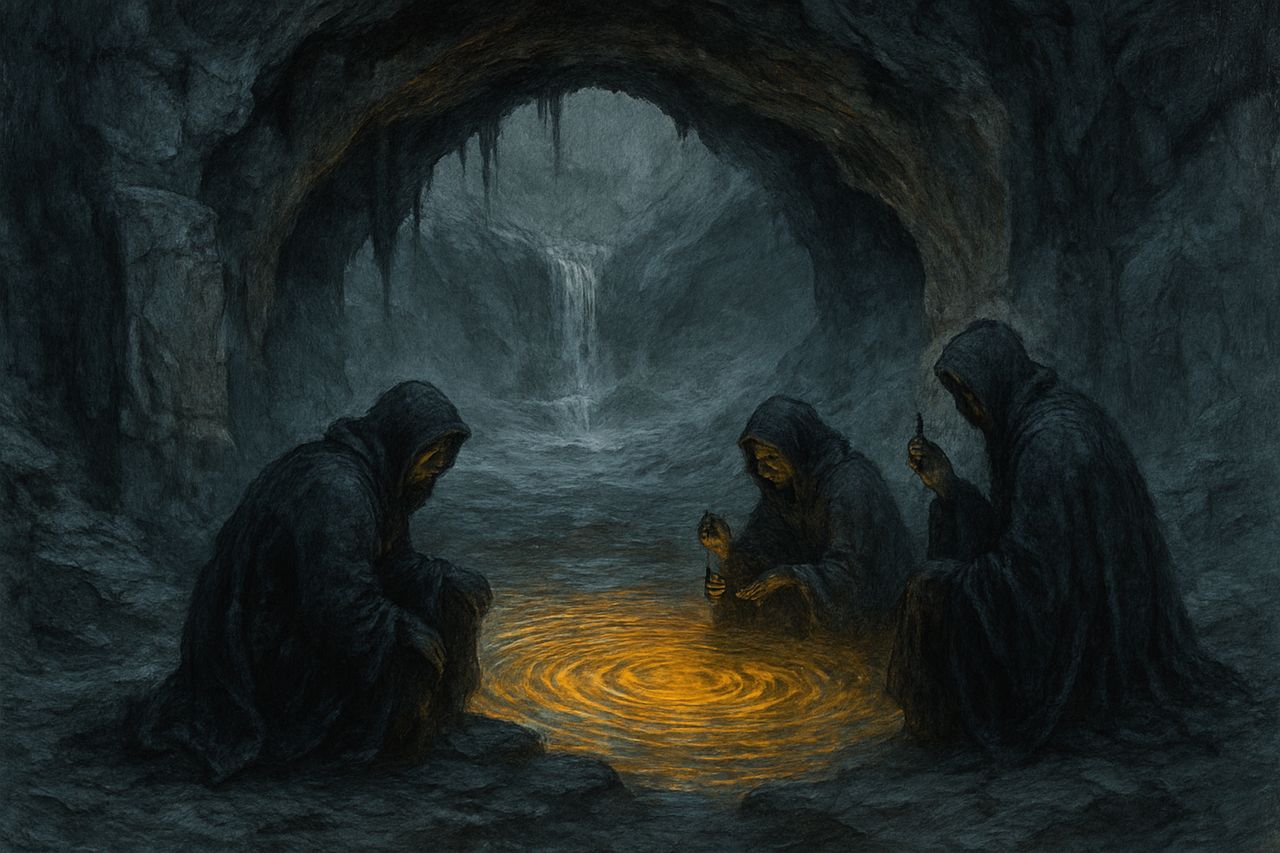
Four parties walked into Under the Standing Wave — the starter adventure, a drowned district frozen beneath a tidal wave caught mid-crash. Four parties walked four very different roads. One of them did not walk back out.
The cautious party played it perfectly — read the Tempo, rationed their Quick, talked an Echo-wraith to rest with a dead girl's name, bathed the dying Holt in the Wellspring, and carried his frozen daughter home. They finished the adventure with zero damage, zero Hush, and zero Quick spent. And that was the problem: the game's three signature systems — the death-clock, the time-currency, the world's growing menace — never fired. Played safe, the game had no teeth. We learned that caution was winning too easily, and the doom needed to lean in.

The greedy party stripped the drowned district bare — and found, to everyone's surprise, that greed cost them nothing. The thief's Plucking almost never failed; the doom clock barely moved. The only thing that ever punished them was the GM manually spending menace tokens. Then the Tickhounds came for their hoard, the Echo named Vesh stiffened to a halt as the cold took her, and the falling wave finally, finally fell. Total party kill. An honest, spectacular disaster — and a clear verdict: greed has to punish itself, by the rules.
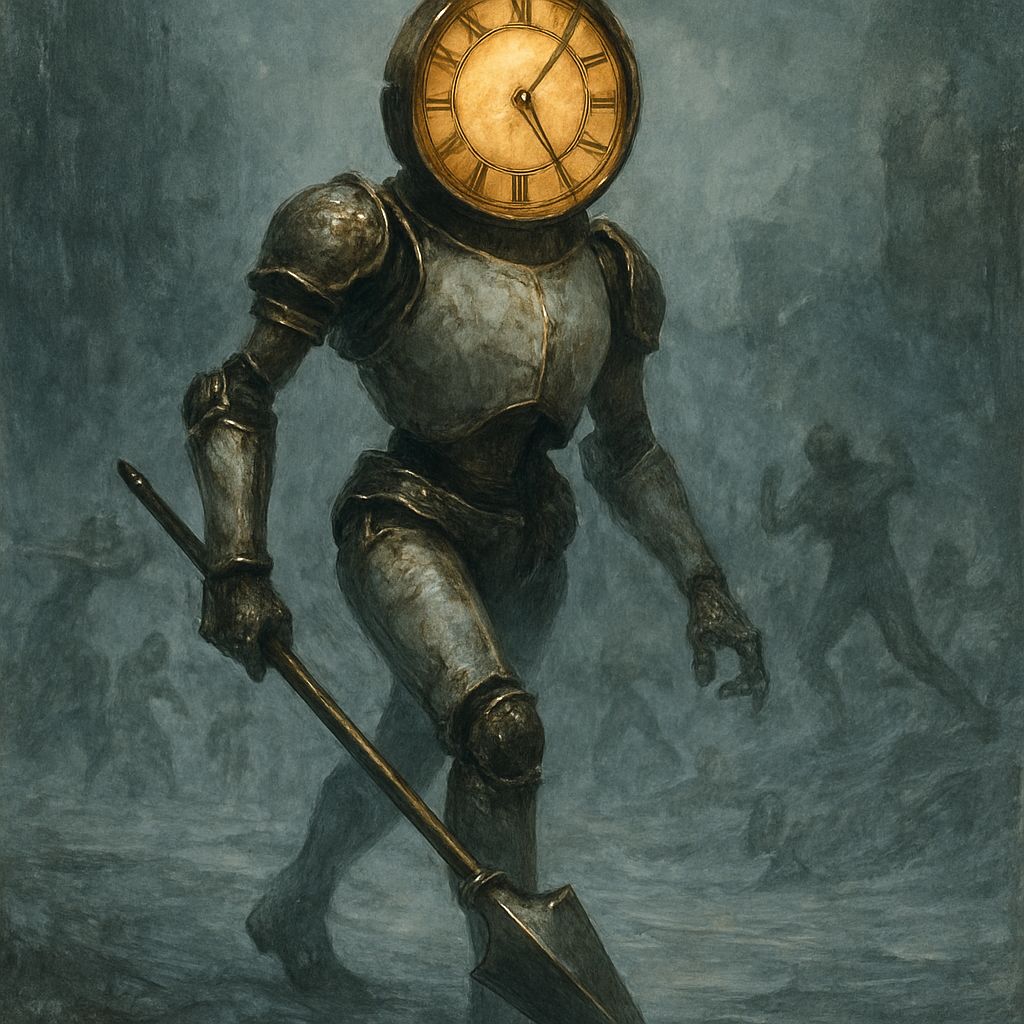
The combat party dared the Regulator — the clockwork enforcer the book begs you not to fight. It Felled the Warden, Pinned the Marcher, and very nearly ended them. They won on a single natural 1: a double-strike Perfect Beat that happened to land for maximum harm. The testers' note was blunt: "6 of 10 kills in this session were critical hits." Combat wasn't tuned — it was a dice-storm. We'd defined what a Perfect Beat does, but never reined in how swingy it made every fight.
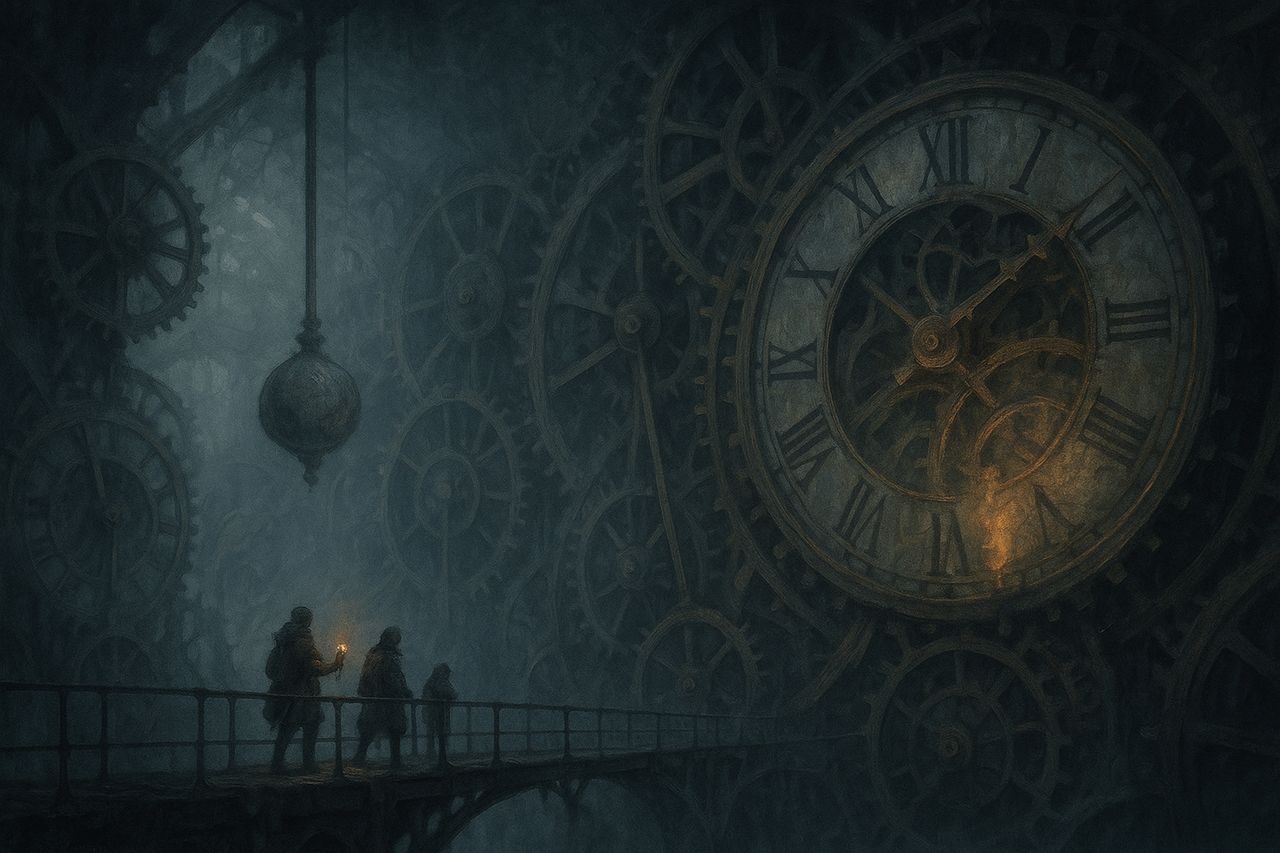
With the core rules patched, four more parties took on the whole campaign — the five-delve arc of The Book of Delves, one party each at levels 1, 3, 5, 7, and 9. They carried the game from its first frozen ruin all the way to the last candle of the world.
| Delve | Level | Score | The headline |
|---|---|---|---|
| I · The Salt Road | 1–2 | 4/10 | Too lethal, and the "save the boy" ending had nowhere to do it. |
| II · The Feast That Never Ends | 2–4 | 7/10 | The best mechanic in the book — and a murder mystery with no printed culprit. |
| III · The Pleating's Heart | 4–6 | 6/10 | A genuine moral fork… with no rules attached to any of the three choices. |
| IV · Below the Gasp | 6–8 | 7/10 | Thrilling dread — but the boss had no stats in the adventure and stealth was impossible. |
| V · The Last Candle | 8–10 | 5/10 | A gorgeous finale that, mechanically, wasn't finished. |
Delve II's Plucking-and-greed engine was, in the testers' words, "the best thing in the book" — a target-rich frozen banquet where every grab tightened the noose, and one party hit three different endings at once through sheer emergent chaos. But the central whodunit — a frozen singer endlessly mouthing the poisoner's name — had a fatal flaw: the name was never written down anywhere. A mystery with a clue and no answer. (It's Steward Merrow now. It says so, in ink.)
Across four delves, the same complaint echoed: the people you were meant to face — the cultists, the rival crew, the two champions of the finale — had no numbers at all. The capstone confrontation of the entire campaign asked the GM to invent both final bosses on the spot. That one was inexcusable, and it's the fix we're proudest of: a whole new Appendix of Antagonists, every named foe and friend statted and ready.
The climax scored lowest, and honestly. A tester replayed the ending two ways — and one of them resolved on the first round, because the world-deciding choice was a single narrated check with nothing standing in its way. Winning the boss fight and making the choice were entirely unrelated events. A climax should make the choice be the hard, contested thing. So now it is: each ending is a clock you race to fill while the bosses try to stop you and the candle gutters overhead.
Roughly thirty fixes came out of the two rounds. Here are the ones that mattered most — the difference between a game that reads well and one that plays.
| The table found… | So we… |
|---|---|
| Plucking ran roll-high in a roll-low game | Flipped it to roll-under, with greed that compounds on every grab. |
| Half the spells needed a "monster saving throw" that didn't exist | Gave every creature a save number (8 + its Hit Dice). |
| Level-1 parties had ~5 total hit points and died to a stiff breeze | Granted maximum Grit at 1st level. |
| Critical hits decided 60% of kills by sheer luck | Made a Perfect Beat one extra die, not an instant max-damage spike. |
| One warm lantern switched off the entire "keep moving or freeze" tension | Scoped the Everflame so the slow cold always still creeps in. |
| A clever player could take infinite actions with the Echo | Capped it — once per round, no bottomless loop. |
| The table found… | So we… |
|---|---|
| Named foes and both finale bosses had no stats | Wrote a full Antagonists & Allies appendix. |
| The big moral choices were pure narration | Turned them into contested clocks you race to fill under fire. |
| The Feast's mystery had no solution | Printed the culprit, the framing, and the trail of clues. |
| Skill-walls punished the exact classes the campaign assumes | Added Vigor/Wits alternatives and a "the thief leads" group-stealth rule. |
| The chaos-zone said "roll a random Tempo" with no table to roll | Printed the Tumult table — including a violent "Shatter" result. |
| A caster's mind-stat did nothing | Made high Wits/Will actively harder to resist. |
Simulations and tireless agents can find broken math, missing numbers, and rules that fight themselves — and they found a great many. But they cannot tell you whether a table of friends will laugh at the right moment, hold their breath as the wave begins to fall, or argue for an hour over whether to let the world wake. That test still belongs to you.
STILLPOINT has been thrown at the wall, hard, and patched where it cracked. The rest of the proving happens at your table, with your dice, in the cold and the quiet. Keep moving.
 ◆
◆For the full, unromantic list of every change — every number, every section — see the errata in PLAYTEST_NOTES. This was the story. That is the receipt.